providing education and certification for Long Island vineyards

We view our vineyards as evolving ecosystems that grow in complexity with proper management. We also recognize that our vineyards are part of the larger surrounding ecosystem affecting the health of nearby wildlife and woodlands and the quality of our water supply.

Balanced vine nutrition means promoting the natural microbiology of our living soils through composting, cover crops, biological diversity, and limited nitrogen additions.

We farm land that is part of an important watershed. Our standards guide local winegrowers in returning to traditional conservation methods which avoid soil erosion, runoff, and the overuse of nitrogen fertilizers.

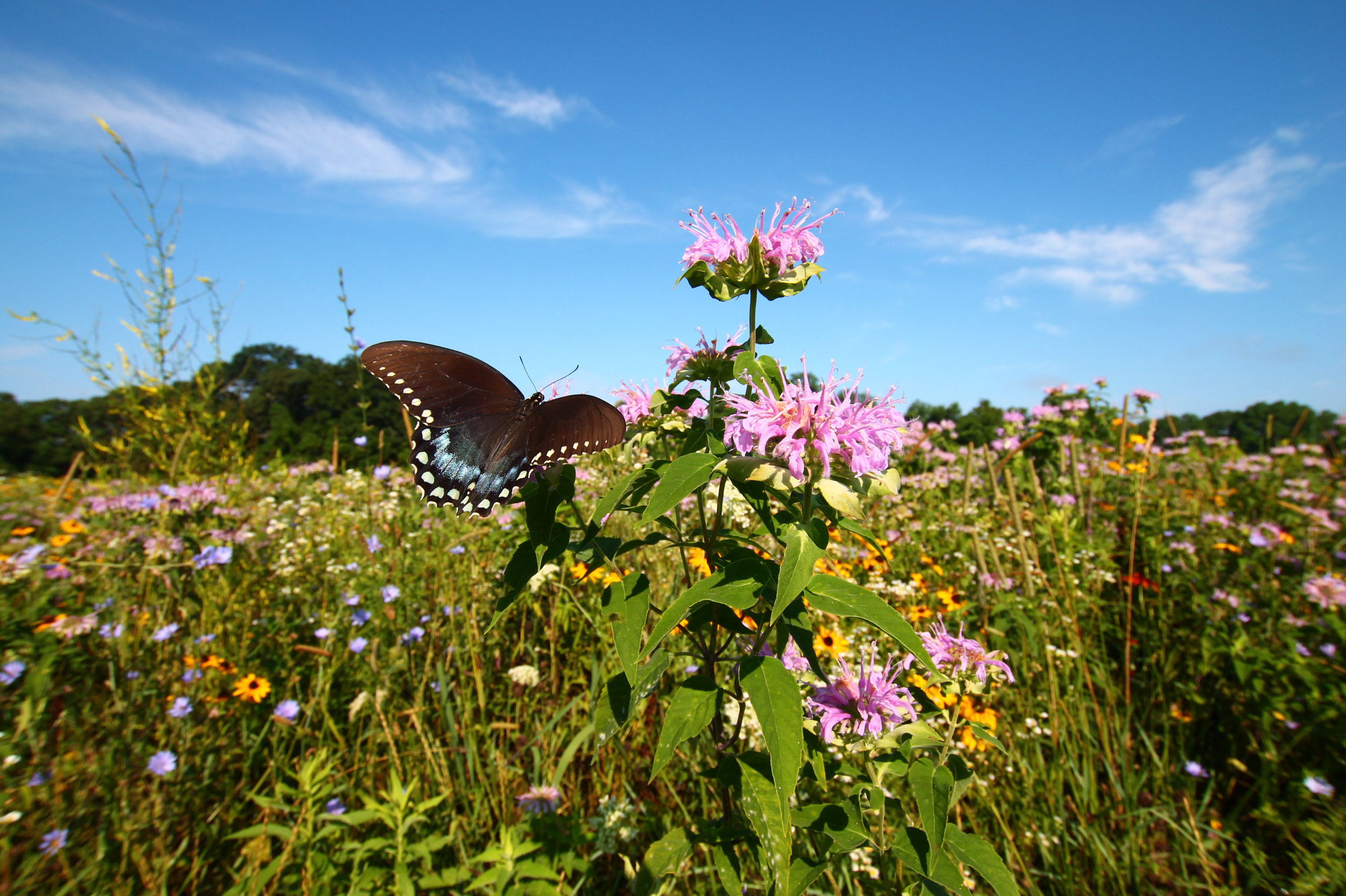
Our vineyards contain wild and planted areas among the vines and on the farm's perimeter that are allowed to bloom and go to seed, ensuring the health of our native flora and fauna including beneficial insects and native bird populations.

Before intervening, we scout our vines for pests and disease and then make a decision on how to proceed. Long Island Sustainable Winegrowers make every effort to use reduced risk and low impact materials in our vineyards.

We support the largest labor force in the region and are pillars of responsible farming in our local community. We have also partnered with the Suffolk County Department of Health Services to ensure we steward our local water aquifer appropriately.
For 40 years, Long Island vineyards have worked hard to develop unique and safe practices for producing quality wine grapes. We have grown to create our own definition of sustainability that is based on our role as stewards of the rich agricultural heritage of the North Fork of Long Island. Just like the Native Americans and English settlers who came before us, we are ensuring the sustained agricultural use of these lands for many more generations.
Long Island Sustainable Winegrowing is a is a 501(c)3 not-for-profit organization that provides education and certification for Long Island vineyards. LISW uses international standards of sustainable practices in quality wine-grape production that have been refined for the northeast and utilized through the VineBalance Workbook. These practices are based on an independent 3rd-party-verified checklist system consisting of recommended and prohibited practices and materials, thoughtful planning and numerous ecological options.
